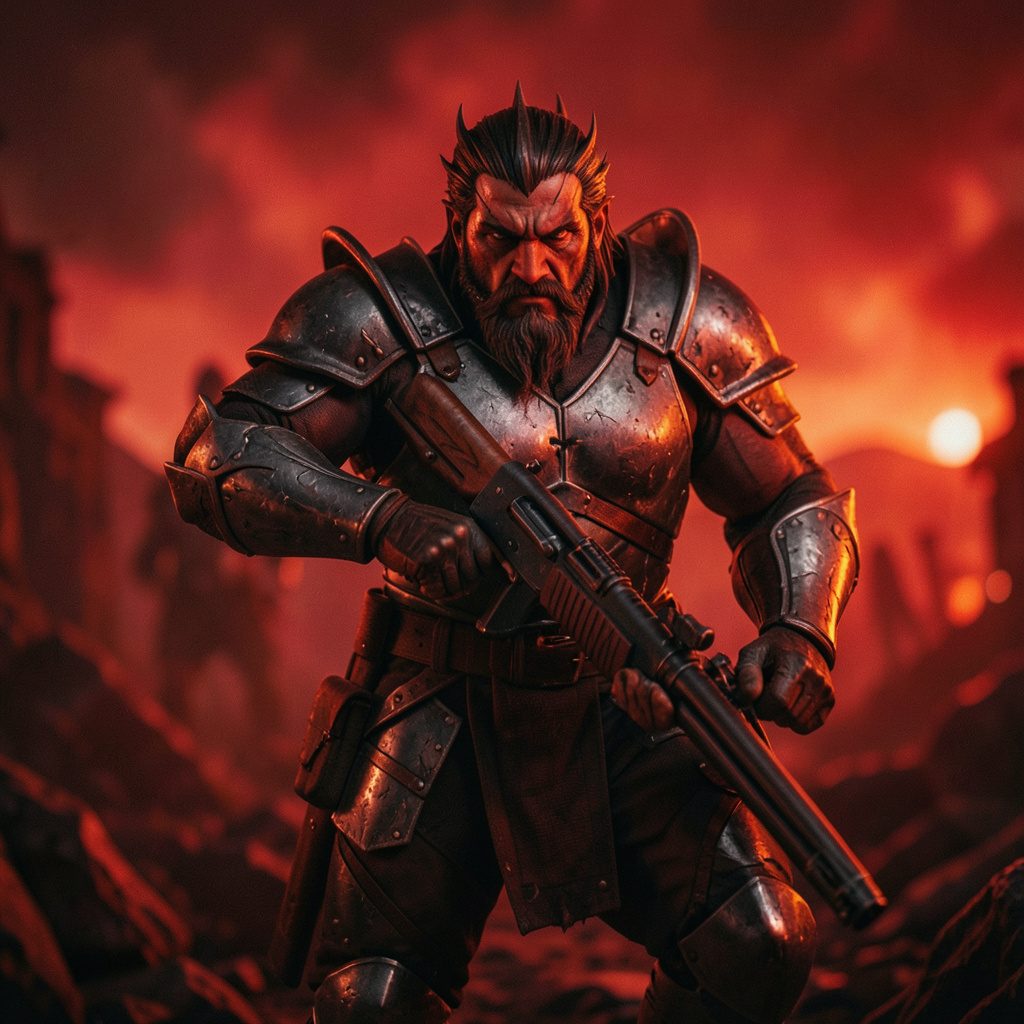
Gamecock Media's press room entry for July 9, 2007 announced the box for "Legendary." The notice marked the title's move toward retail packaging as part of the studio's wider slate of indie releases that year.
"Legendary" later drew coverage elsewhere in the press, including a preview piece discussing its pacing within the first-person shooter genre, noted on the Gamecock Media news page among updates on titles such as "Mushroom Men" and "Pirates vs. Ninjas Dodgeball."
This entry sits alongside other 2007 press releases covering titles including "E.I.E.I.O.," "Pirates vs. Ninjas Dodgeball," "Dementium: The Ward," and "Fury & Dementium: The Ward."
In the competitive landscape of interactive entertainment, the journey from concept to retail shelf represents a significant milestone for any title. The announcement of a boxed version signals not only the completion of development but also the confidence of a publisher in the commercial viability of a project. This transition from digital distribution or development builds to physical packaging often marks a moment of validation for the creative team, as their work moves from internal testing environments into the hands of consumers. Such releases contribute to the broader ecosystem of game publishing, where careful coordination between marketing, manufacturing, and distribution channels determines how a title arrives in the marketplace and how it is received by its intended audience.
The broader context of independent game publishing during this era reveals a dynamic environment where smaller studios sought to establish their identity alongside larger, established publishers. Press coverage and media previews played an essential role in building anticipation for upcoming releases, offering potential players their first detailed look at gameplay mechanics, narrative elements, and overall design philosophy. These early impressions often shaped consumer expectations and influenced purchasing decisions during the critical launch window. The relationship between developers, publishers, and the press formed an interconnected ecosystem where each announcement, preview, and review contributed to the ongoing conversation about a title's place within the genre landscape and its potential to resonate with players seeking fresh experiences.